


美国Dise中心ase Control (CDC) has developed guidelines to classify laboratory applications conducted with potentially hazardous biological microorganisms. These levels range from Biosafety Level 1 (the least hazardous) to Biosafety Level 4 (the most hazardous).
除了指定在每个生物安全水平(BSL)下分类的工作类型的准则外,CDC还具有针对减轻病原体导致伤害所需的预防措施和保护类型的准则。制造公司已将这些生物安全水平的协议用作工程控件的参考,例如生物安全柜和杂物箱外壳。创建安全的工作环境是CDC的关键目标and个人雇主。
Continue reading to learn the specific differences between the CDC’s first two Biosafety Levels.
生物安全1级
- 概述:生物安全1级指定为已知的特征剂的工作不是to cause disease in healthy, non-immunocompromised adults. Special containment practices and devices are generally not required, but institutional laboratory practices must be implemented to reduce risk to laboratory personnel.
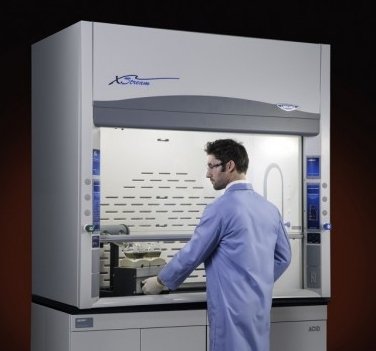
Chemistry Fume Hood, by Labconco
- 微生物的例子Organisms that Require Biosafety Level 1:非致病性Escherichia coli,other non-infectious bacteria such asBacillus subtilis.
- Laboratory Types: Standard teaching and research laboratories.
- 需要实验室实践:标准良好的实验室实践,例如使用个人防护设备(PPE),洗手和工作表面净化。
- Safety Equipment Required:不需要生物安全柜(BSC),大多数程序都是在开放式长凳上执行的。特殊的工程控制,例如烟雾罩和橱柜可以最大程度地减少暴露于化学或样品溢出物。
生物安全2级
-
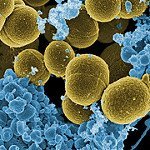
Staphylococcus aureus bacteria, viewed under electron microscope.
概述:生物安全2级is specified as work that posesmoderatehazards to personnel and the environment. Research or diagnostic activities that are administered with pathogenic bacteria, such asStaphylococcus aureusorSalmonella,属于这一类。这种生物安全水平建立在生物安全级别的基础上。必须遵循生物安全1级阐明的所有预防措施和实践in addition tothose found in Biosafety Level 2. Special containment practices and devices are generally required to mitigate risk to laboratory personnel.
- 微生物的例子Organisms that Require Biosafety Level 2:Staphylococcus aureus,Salmonella species,Herpes Simplex Virus, Adenovirus, and Human Immunodeficiency Virus (HIV).
- Laboratory Types: Primary healthcare diagnostic and research laboratories.
- 需要实验室实践:PPE, restricted access to laboratory areas, use of primary engineering controls (PECs) such as biosafety cabinets and glove boxes to reduce the risk of aerosolized exposure to pathogens.
- Safety Equipment Required:BSCs are required as a PEC, and research or diagnostic activities must be performed within these devices. In addition, special engineering controls, such as fume hoods and cabinets may be used to minimize exposure to non-pathogenic substances.
Conclusion
BSL operational recommendations are developed to both protect lab personnel and give meaning to their important research. Without these precautions, work would be dangerous, inefficient and more time-consuming. Specialized equipment is a necessary investment, and Terra can help make sure you get everything you need for a successful lab.
Click for more information about ourBSCs;访问我们的Fume Hoodsweb page;并查看有关biohazard containmentglove boxes.
摄影者NIAID